
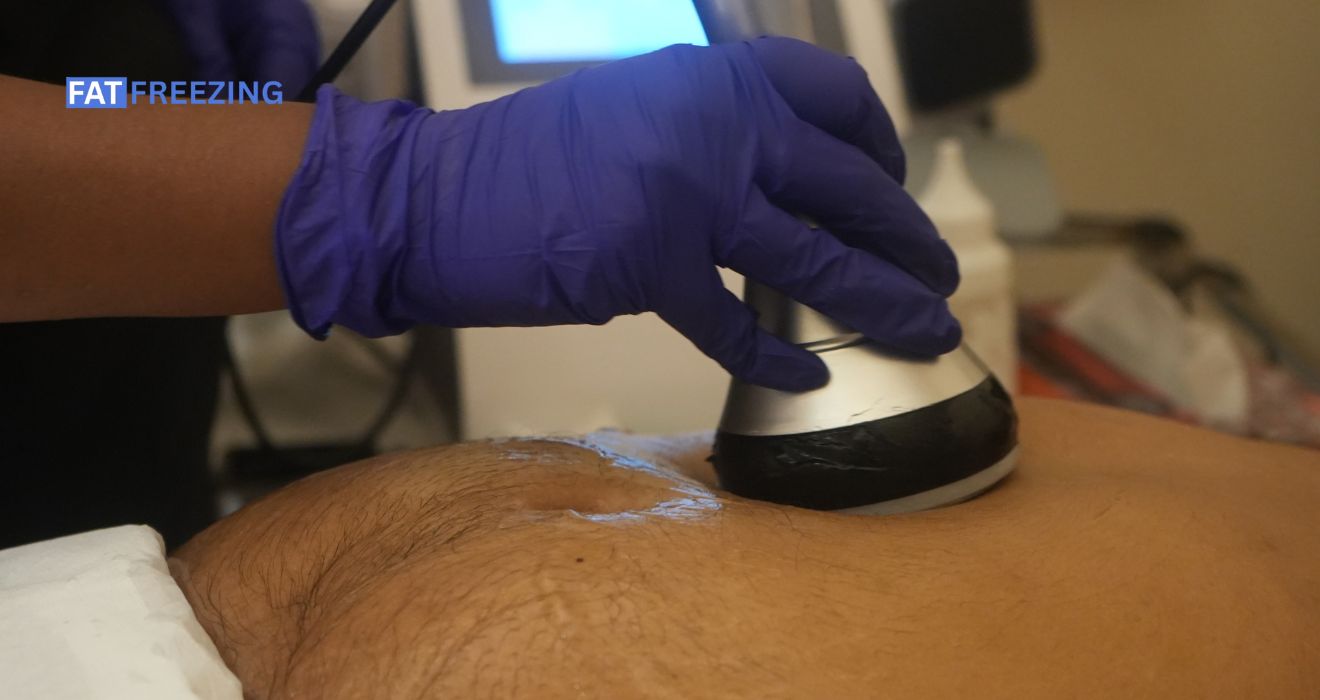
Non-surgical fat reduction has become one of the most popular ways to target stubborn pockets of fat without surgery, long downtime or general anaesthetic. Treatments such as fat freezing, radiofrequency and HIFU are designed to improve body contours, not replace healthy weight management. That is why people who want the best long-term outcome need a clear plan to maintain weight loss after fat reduction.
If you have recently had body contouring or you are planning treatment, the most important message is simple: treated fat cells are reduced, but the body can still store excess energy in the remaining fat cells. According to evidence on body contouring and weight maintenance, lasting results depend heavily on diet quality, movement, hydration, sleep and behavioural habits. Research on long-term weight control also shows that people who maintain results usually combine consistent activity with sustainable eating patterns rather than quick fixes published in PubMed. In practical terms, that means your post-treatment routine matters just as much as the treatment itself.
For patients searching for non-surgical fat reduction Mumbai options, this guide explains exactly how to protect your results in 2026, including the best diet after fat freezing, key post-treatment lifestyle changes, and realistic strategies to maintain weight loss India patients can actually stick to.
What Is Non-Surgical Fat Reduction?
Non-surgical fat reduction refers to treatments that target localised fat deposits without traditional liposuction. They are often chosen by people who are close to their target weight but struggle with specific areas such as the abdomen, flanks, thighs, upper arms or under the chin.
Common options include:
- Fat freezing (cryolipolysis): uses controlled cooling to damage fat cells, which are then gradually cleared by the body over time. This approach has been widely studied and is commonly used for stubborn fat bulges in clinical literature.
- HIFU: high-intensity focused ultrasound uses thermal energy to target deeper tissues and can be used for body contouring in selected cases.
- Radiofrequency: uses heat energy to support tightening and contour improvement, especially where mild skin laxity is also a concern.
- Liposuction alternatives: a broad category covering non-surgical body sculpting options for people who want visible shaping with less downtime than surgery.
It is important to set expectations correctly. These treatments are not a cure for obesity and they are not a substitute for a medically guided fat-loss programme where one is needed. The NHS and wider obesity guidance consistently reinforce that healthy weight management still depends on nutrition, physical activity and long-term behaviour change as outlined by the NHS. If your goal is to maintain weight loss after fat reduction, think of treatment as the starting point for better body confidence, and lifestyle as the reason the result lasts.
If you are considering cryolipolysis specifically, you may find it helpful to read whether cryolipolysis is effective for love handles and how long fat freezing results tend to last in Mumbai.
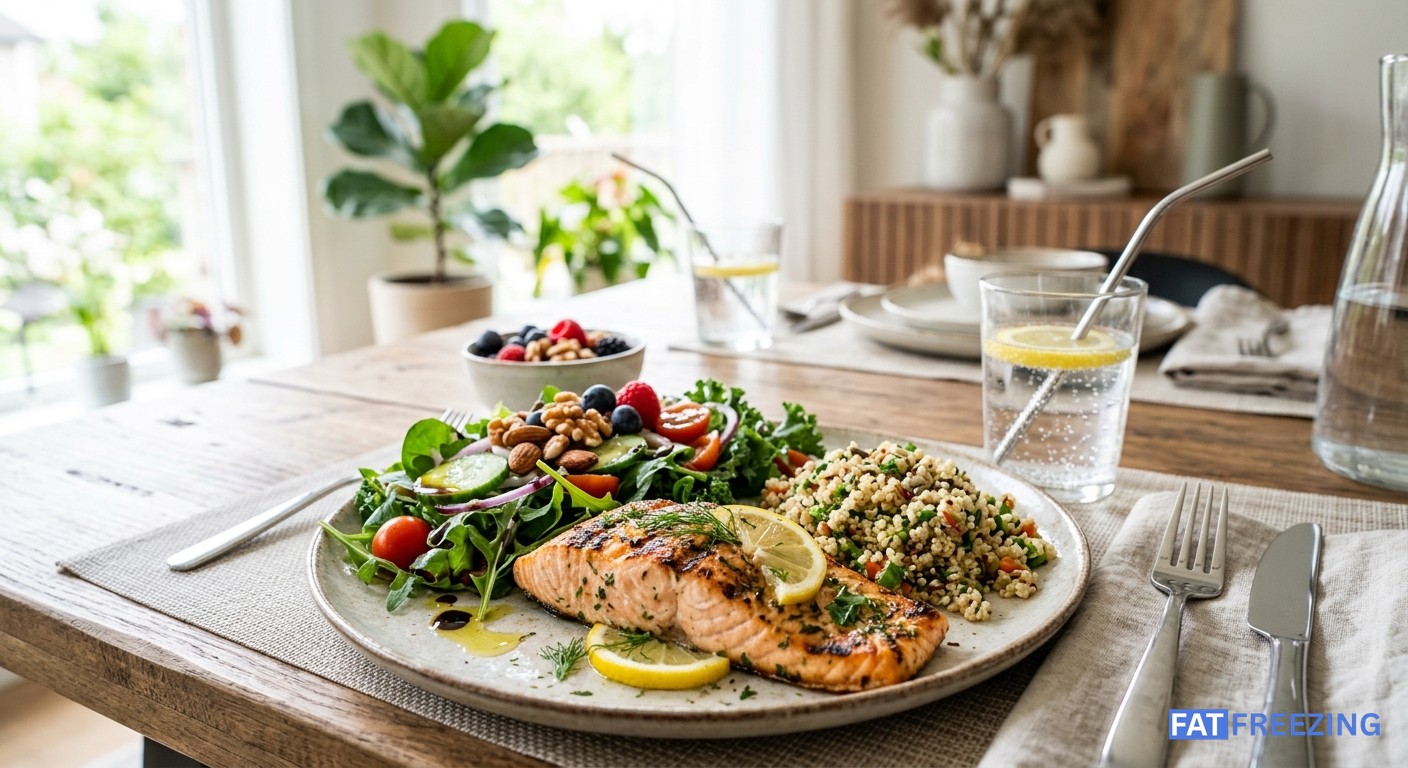
Diet Plan to Support Weight Maintenance
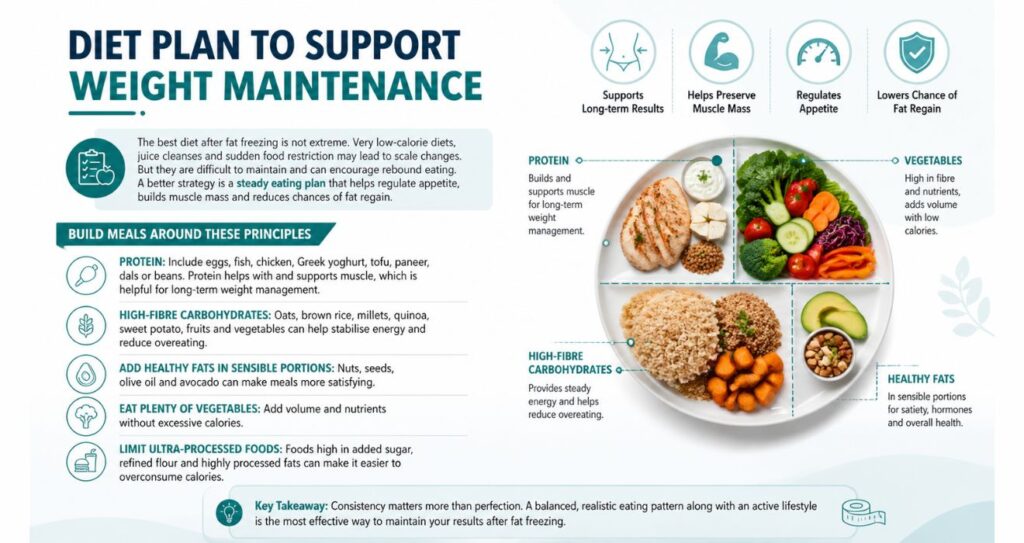
The best diet after fat freezing is not extreme. Very low-calorie diets, juice cleanses and sudden food restriction may lead to short-term scale changes, but they are difficult to maintain and can encourage rebound eating. A better strategy is a steady eating plan that helps regulate appetite, preserve muscle mass and reduce the chances of fat regain.
Build meals around these principles
- Prioritise protein: include eggs, fish, chicken, Greek yoghurt, tofu, paneer, dals or beans. Protein helps with satiety and supports lean muscle, which is helpful for long-term weight maintenance.
- Choose high-fibre carbohydrates: oats, brown rice, millets, quinoa, sweet potato, fruit and vegetables can help stabilise energy and reduce overeating.
- Add healthy fats in sensible portions: nuts, seeds, olive oil and avocado can make meals more satisfying.
- Eat plenty of vegetables: these add volume and nutrients without excessive calories.
- Limit ultra-processed foods: foods high in added sugar, refined flour and highly processed fats can make it easier to overconsume calories.
Foods that support fat metabolism and weight control
No single food melts fat, but some foods make weight maintenance easier by supporting fullness, blood sugar balance and diet quality. These include:
- Lean proteins such as fish, chicken breast, eggs and pulses
- Low-sugar fruits such as berries, apples and citrus
- Leafy greens, broccoli, cucumber, courgette and peppers
- Fermented foods such as yoghurt and kefir for gut health support
- Green tea as a low-calorie beverage option
- Seeds and nuts in measured portions
Simple sample day
| Meal | Example |
|---|---|
| Breakfast | Greek yoghurt with berries, chia seeds and a small portion of oats |
| Lunch | Grilled chicken or paneer, mixed salad, brown rice or millet |
| Snack | Apple with a few almonds or buttermilk |
| Dinner | Fish, tofu or dal with sautéed vegetables and soup |
To maintain weight loss after fat reduction, try to keep meal timings reasonably consistent and avoid the common cycle of eating too little during the day and overeating at night. This is especially relevant for busy professionals in large cities, where irregular schedules can quietly undo body contouring progress.
For people exploring broader weight-management support, our article on why weight loss is harder than it seems explains the behavioural and metabolic barriers that often stand in the way.
Healthy Habits After Treatment: Benefits and Considerations
Benefits
- Helps maintain weight loss after fat reduction for longer.
- Supports more visible body contouring by reducing the chance of fat regain.
- Improves energy, digestion, sleep quality and overall health.
- Can preserve lean muscle mass when paired with strength training and protein.
- Reduces the likelihood of needing repeated corrective treatments purely due to lifestyle relapse.
Considerations
- Results can fade if calorie intake rises significantly over time.
- Expectations may be unrealistic if treatment is seen as a substitute for weight management.
- Irregular sleep, stress eating and inactivity can undermine progress even after a successful procedure.
- Some people need professional support from a clinician or dietitian to stay consistent.
- Visible changes may take time, so patience is needed while the body clears treated fat cells.
Post-Treatment Lifestyle Changes That Really Matter
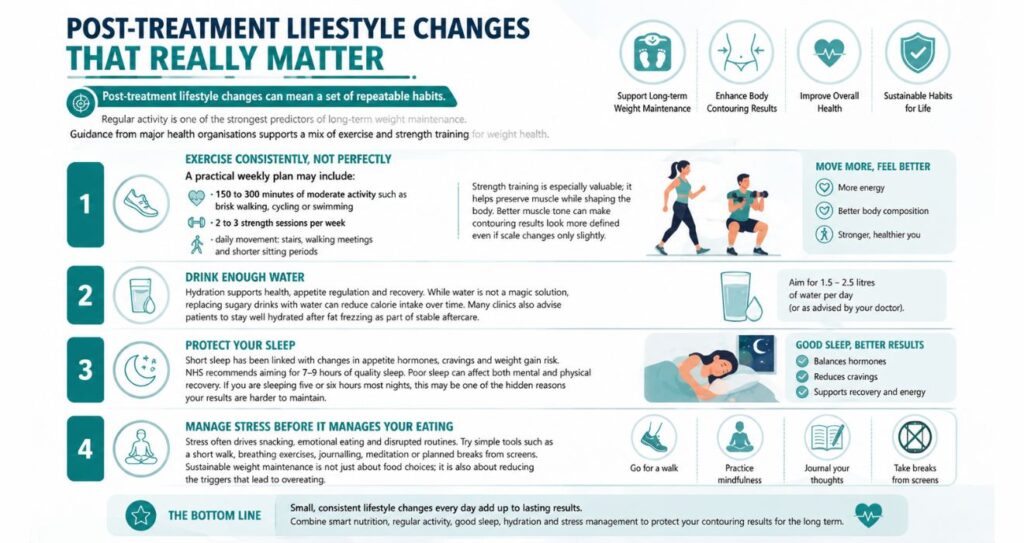
The phrase post-treatment lifestyle changes can sound vague, but in practice it means a handful of repeatable habits.
1. Exercise consistently, not perfectly
Regular activity is one of the strongest predictors of long-term weight maintenance. Guidance from major health organisations supports a combination of aerobic exercise and strength training for weight control and metabolic health according to NICE guidance. A practical weekly plan may include:
- 150 to 300 minutes of moderate activity such as brisk walking, cycling or swimming
- 2 to 3 strength sessions per week
- More daily movement through stairs, walking meetings and shorter sitting periods
Strength training is especially valuable because it helps preserve muscle while shaping the body. Better muscle tone can make contouring results look more defined even if the scale changes only slightly.
2. Drink enough water
Hydration supports general health, appetite regulation and recovery. While water is not a magic solution, replacing sugary drinks with water can meaningfully reduce calorie intake over time. Many clinics also advise patients to stay well hydrated after fat freezing as part of sensible aftercare.
3. Protect your sleep
Short sleep has been linked with changes in appetite hormones, cravings and weight gain risk. The NHS recommends aiming for healthy sleep habits because poor sleep can affect both mental and physical wellbeing through established sleep guidance. If you are sleeping five or six hours most nights, this may be one of the hidden reasons your results are harder to maintain.
4. Manage stress before it manages your eating
Stress often drives snacking, emotional eating and disrupted routines. Try simple tools such as a short walk, breathing exercises, journalling, meditation or planned breaks from screens. Sustainable weight maintenance is not just about food choices; it is also about reducing the triggers that lead to overeating.
5. Track trends, not daily fluctuations
Your weight can fluctuate with salt intake, hormones, bowel habits and hydration. Do not panic over small day-to-day changes. Instead, monitor the bigger pattern over several weeks using a combination of photos, clothing fit, energy levels and measurements.
How to Avoid Weight Regain After Body Contouring
If your goal is to maintain weight loss India patients often ask for a realistic and culturally relevant plan. The answer usually comes down to habit design, not willpower alone.
- Keep trigger foods less accessible at home: convenience often shapes eating more than motivation does.
- Plan meals around your schedule: if you work late, prepare protein-rich snacks to avoid takeaway dependence.
- Do not treat weekends as a free-for-all: two highly indulgent days can undo weekday restraint.
- Review alcohol intake: alcohol can quietly add calories and lower food restraint.
- Book follow-up reviews: accountability helps, especially in the first three to six months.
Patients interested in treatment safety can also read our guide to fat freezing safety and risks and what side effects to expect before choosing treatment.
The best body contouring result is not the one you see at six weeks, but the one you can still enjoy a year later because your habits support it.
Expert Advice for Long-Term Success
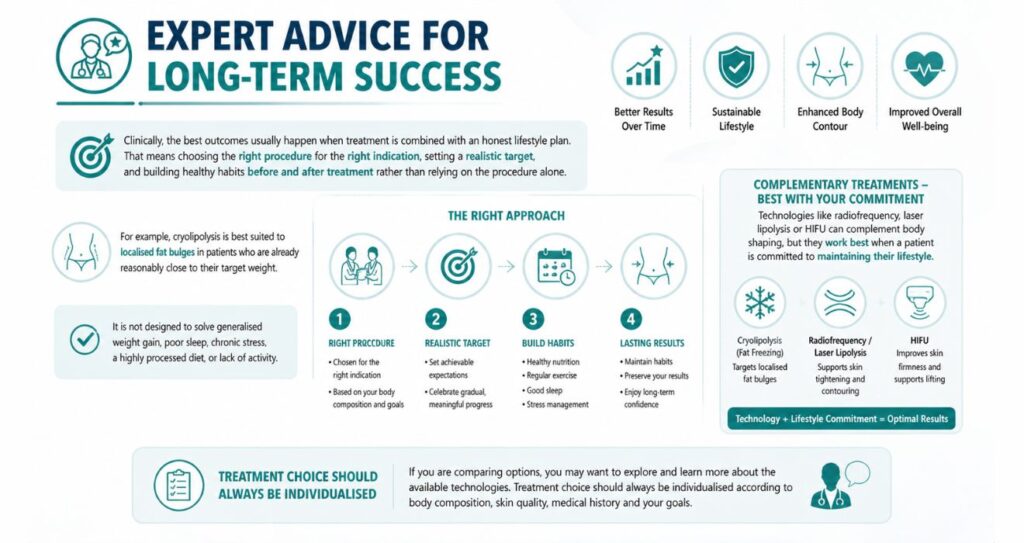
Clinically, the best outcomes usually happen when treatment is paired with an honest lifestyle plan. That means choosing the right procedure for the right indication, setting a realistic target, and building habits before and after treatment rather than relying on the device alone.
For example, cryolipolysis is best suited to localised fat bulges in patients who are already reasonably close to their target weight. It is not designed to solve generalised weight gain, poor sleep, chronic stress or a highly processed diet. Likewise, radiofrequency or HIFU can complement body shaping, but they work best when a patient is already committed to maintaining their progress.
If you are comparing options, you may want to explore non-surgical body sculpting treatments and learn more about what HIFU treatment involves. Treatment choice should always be individualised according to body composition, skin quality, medical history and goals.
Why Choose Vivo Body & Skin Clinic?
At Vivo Body & Skin Clinic, the goal is not simply to offer a procedure, but to help patients create a personalised plan that supports safe, realistic and lasting outcomes. For anyone considering non-surgical fat reduction Mumbai services, that means proper assessment, clear advice on candidacy, and practical support on the everyday steps needed to maintain results.
A professional approach matters because not every patient needs the same treatment or the same aftercare emphasis. Some need stronger nutritional guidance. Others need help with routine, activity levels or expectations. A good clinic looks beyond the machine and considers the whole picture.
If budget planning is part of your research, our guide to fat freezing cost in India may help you understand treatment investment more clearly. Patients looking for broader support can also read about the qualities of a good weight loss clinic in Mumbai.
Image Suggestions for WordPress Publication
- Feature image: healthy woman with toned body in a bright wellness setting
- Lifestyle image: balanced plate with protein, vegetables and water
- Activity image: patient walking outdoors or in a gym environment
- Clinic image: modern consultation room with a professional, welcoming atmosphere
Used well, these visuals reinforce the article’s practical message: treatment results last longer when they are supported by everyday healthy choices.
How long do I need to follow a diet after fat freezing?
Ideally, you should not think of it as a short-term diet. The best diet after fat freezing is a sustainable way of eating that you can maintain for months and years. A balanced routine with protein, fibre, whole foods and sensible portions gives you the best chance to maintain weight loss after fat reduction without rebound gain.
Can I gain weight again after non-surgical fat reduction?
Yes. Treated fat cells are reduced, but the remaining fat cells can still enlarge if calorie intake consistently exceeds your needs. That is why post-treatment lifestyle changes such as regular exercise, sleep, hydration and better food choices are essential for long-term success.
What exercise is best after body contouring?
A mix of walking or other cardio plus two or three weekly strength sessions is usually the most effective approach. Cardio supports energy expenditure and heart health, while strength training helps preserve muscle and improve body shape. Start with your clinician’s aftercare advice, especially in the first few days after treatment.
Are there any side effects that can affect my routine?
Depending on the treatment, temporary effects such as numbness, tenderness, redness or mild swelling can occur. These are usually manageable and short-lived, but always follow clinic-specific guidance. If you are concerned, read more about fat freezing side effects and safety before treatment and speak to a qualified practitioner.
Is non-surgical fat reduction enough on its own for major weight loss?
No. These procedures are designed for contouring localised fat, not for major overall weight reduction. If someone is significantly above their healthy range, they may need a broader medical weight-management strategy. In that setting, non-surgical fat reduction may be considered later as a finishing treatment rather than the main solution.
How can I maintain weight loss in India with a busy schedule and frequent social eating?
Focus on consistency rather than perfection. Choose protein-rich breakfasts, avoid arriving at social events overly hungry, keep weekday meals structured, and balance restaurant meals with lighter choices elsewhere in the day. For many people trying to maintain weight loss India lifestyles require, planning ahead is the difference between temporary results and lasting change.

 WhatsApp
 Call Now
 Consultation